Founded around 1900, the Village Improvement Society (VIS) was a pivotal organization of prominent women who transformed early Idaho Falls from a rough frontier town into a developed, livable city. Led by influential figures like Kate Curley and Rebecca Mitchell, the society focused on civic beautification, infrastructure, and public welfare. Their legacy includes establishing the city's first parks, public library, hospital, and tree-lined streets.
From Foundation to Future
Village Improvement Society
Preamble (from the original VIS):
We the subscribers hereto, Ladies of Idaho Falls, County of Bingham and State of Idaho, realizing greater responsibilities devolving upon all women of our State since, by its votes on Nov. 3rd 1896, declared that all “women” are by nature free and equal and have certain unalienable rights, among which are enjoying and defending life and liberty, acquiring possessing and protecting property, pursuing happiness and securing safety. And, feeling grateful for such privileges and consideration, we believe it is the duty of all women to avail themselves of these new prerogatives offered and to seek information that will best enable them to further improve the condition of women, and all mankind and cause them to become more active and better qualified to participate in the affairs of government and the numerous problems of life. In pursuance of these objects - we do hereby voluntarily associate ourselves together and establish the following constitution and by-laws (Constitutional Article 1) The name of this association shall be “The Nineteenth Century Club.” (later renamed the Village Improvement Society).
Our Story
In the late 19th century, the West was a wild place. A vast area full of possibilities as well as challenges. For many years, women like Rebecca Mitchell moved to Idaho and sought to impact their communities. Rebecca Mitchell, for instance, taught school, established a lending library and, among other things, advocated for temperance and suffrage as a way to help women’s situations. Through the work of many, Idaho became the 4th state to grant suffrage to women. In addition, Idaho added the rights to women of owning property in one’s own name, the right to divorce, and the right to child custody. Remarkable at a time when women in general were considered little more than property.
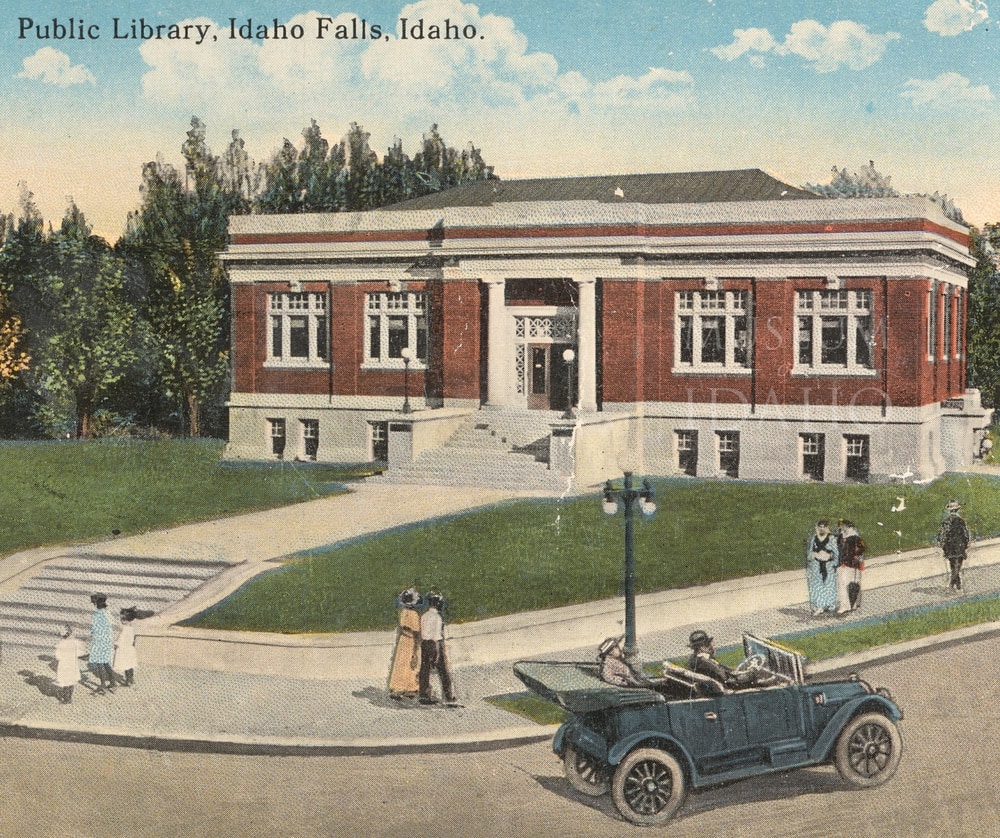
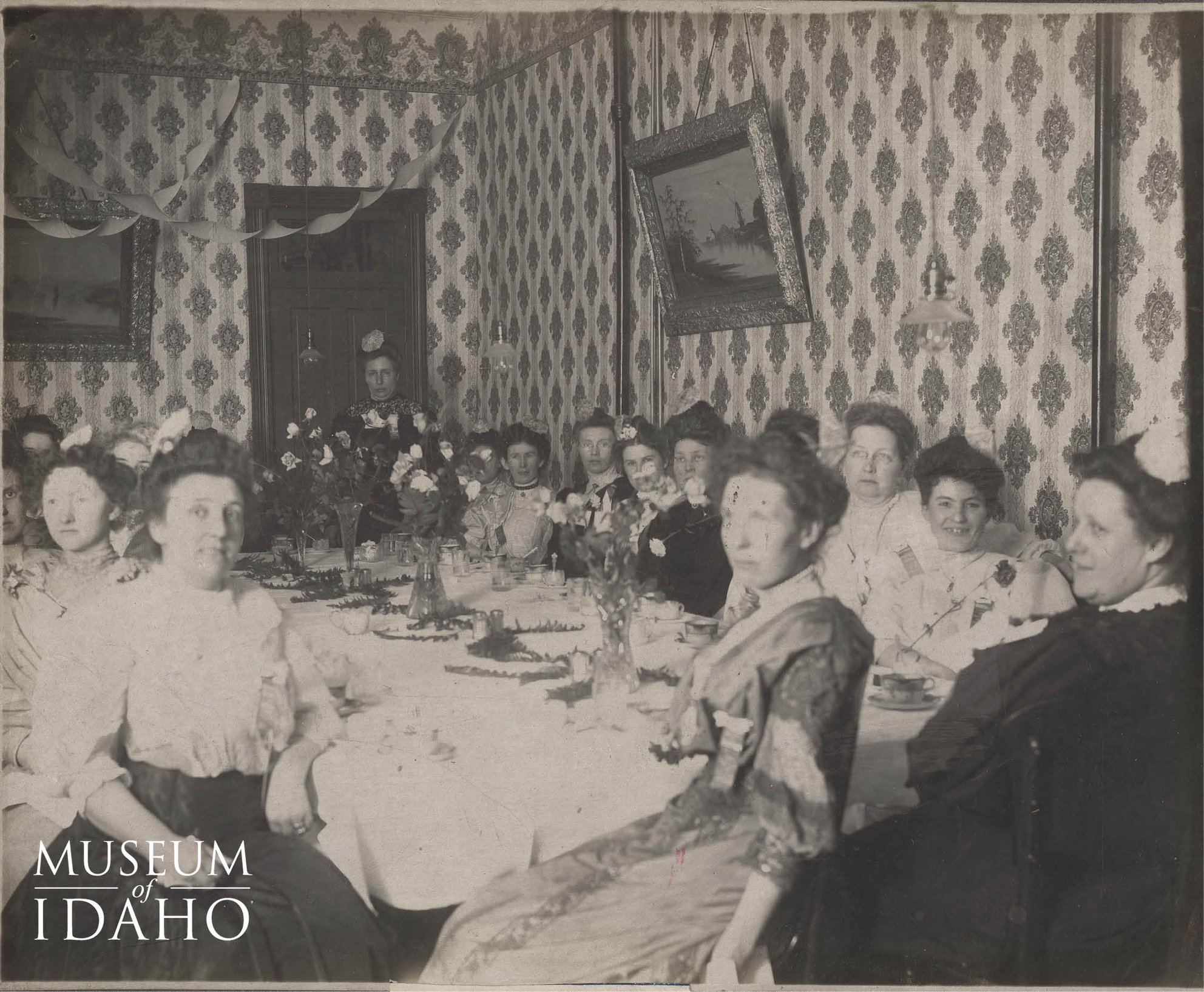
Recognizing the remarkable state they found themselves in, the women in this community realized the work they had accomplished was from over. In 1898 the Nineteenth Century Club was established with Kate Baker Curley being elected as the first president. Later renamed the Village Improvement Society, the women of the VIS got to work improving the lives of everyone who lived in Bonneville County. From ensuring your house was numbered and your street named so your mail could be delivered to placing trash boxes around town to establishing the first official cemetery, the women of the VIS sought solutions. The most momentous of their works culminated in the building of the Carnegie Library. They worked from grant writing to hiring contractors to build a community library which served as the center of community for decades.
Following in the footsteps of our forebears, we unite as women of the greater Idaho Falls area to envision and build a vibrant future for our community.


Key Achievements and Legacy
The VIS operated with a vision of "public convenience and health," implementing practical changes that shaped the city's modern character:
Civic Beautification: The society undertook a major effort to plant hardwood trees—often brought from Iowa—to stabilize the soil and curb the frequent, harsh sandstorms of the era. They also established city parks, including the development of "The Island" into a formal park area.
Public Library: The VIS was instrumental in the founding of the city’s public library. They secured a grant from the Andrew Carnegie Library Foundation in 1905, which led to the construction of a permanent library building completed in 1916.
Healthcare and Infrastructure: In 1906, the society took ownership of the city’s first hospital, which was initially housed in a leased building. Their efforts also included practical municipal improvements, such as naming city streets and numbering houses to facilitate reliable mail delivery.
Leadership: Kate Curley, who served as president, reorganized the group to focus on making the town more desirable for residents. Following her death in 1903, other dedicated women, such as Mrs. Scott, continued the society’s work, ensuring its projects—like the park development—moved forward.
The work of the Village Improvement Society remains woven into the fabric of Idaho Falls, marking a significant chapter where women used civic vision to direct the development of their community.